Why does the right material matter?
When you start looking at gloves, you will notice two main types: leather and textile. Both have their own roles to play.
Leather is the traditional choice. It is incredibly tough and offers the best protection if you happen to slide. However, leather acts like a sponge. Once it gets wet, it gets heavy and takes ages to dry out. This is why many modern waterproof motorcycle gloves use a mix of materials.
Textile materials, like Cordura, are great because they do not soak up water in the same way. They are lighter and often dry much faster. Many riders prefer a hybrid glove. These have leather on the palms for better grip and protection, but use textile on the back of the hand to help keep the weight down and the water out.
Why do riders choose Texpeed?
When it comes to finding gear that actually stands up to the British elements, many bikers turn to Texpeed. They are bikers themselves, so they know exactly what a Tuesday morning commute in November feels like.
The Texpeed waterproof textile and leather gloves are a great example of this. They are built using 600D Cordura and premium cowhide leather. Because they are a UK-based company, they understand that a "waterproof" glove needs to do more than just handle a light drizzle. Their designs often include a one-year guarantee on workmanship. This is a big deal because it gives you peace of mind that your gear is built to last longer through more than just one season of rain.
Price is also a huge factor for many riders, and at just £26.99, these gloves offer incredible value for money compared to many big-name brands.
They also cater to almost every hand size, with options ranging from small all the way up to XXL. Whether you have smaller hands or need extra room for comfort, you can find a fit that works for you without having to spend a fortune. You can also choose between a classic, stealthy Black or a high-visibility Yellow.
The secret is in the membrane
Just because a glove looks thick does not mean it is waterproof. The real work happens inside, in a layer called the membrane. This is a thin sheet of material that has tiny holes. These holes are too small for water drops to get through, but they are large enough for sweat to escape.
You might have heard of brands like Hipora or Gore-Tex. These are the layers that keep the rain off your skin. When you are shopping, check if the membrane is bonded to the outer layer. If it is not, you might find that the liner pulls out when you take your sweaty hands out of the gloves. There is nothing more frustrating than trying to push a wet glove liner back into the fingers at a petrol station.
Keeping your hands warm
In the UK, wet weather usually means cold weather. Being waterproof is great, but if your fingers are frozen stiff, you still cannot ride safely.
Look for gloves with thermal lining. A popular choice is Thinsulate. It is thin enough that you can still feel the handlebars, but warm enough to stop the wind chill from biting. Be careful not to buy gloves that are too bulky. If the padding is too thick, you lose that feel for the bike, which can make it hard to use your indicators or find the brake lever.
Protection you can trust
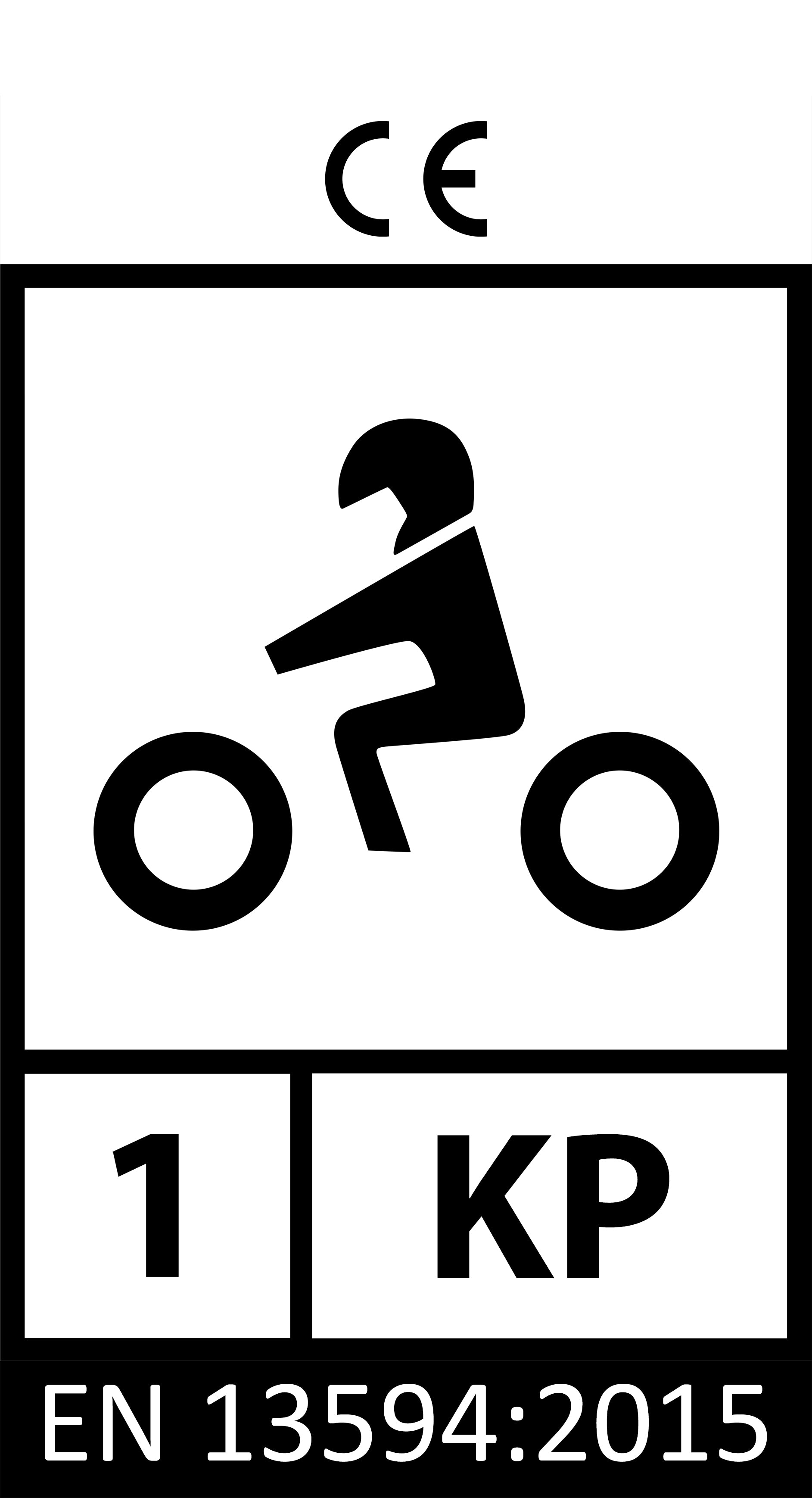
Safety is the most important part of any biking gear. In the UK, you should look for the CE mark. This tells you the gloves have been tested to make sure they can handle an impact.
Hard knuckle protection is a must. Most waterproof motorcycle gloves use carbon fibre or hard plastic over the knuckles. This protects you from flying stones and, more importantly, from the ground if you fall. You should also look for padding on the palm. If you fall, your natural instinct is to put your hands out. Having a reinforced palm can save you from a nasty injury.
Getting the right fit
A glove that is too tight will cut off your circulation, making your hands even colder. A glove that is too loose will bunch up and make it hard to grip the bike.
When you try them on, make a fist. The material should not pull too tightly across your knuckles. There should be a tiny bit of space at the end of your fingers. If your fingertips are touching the very end of the glove, they will get cold very quickly.
Also, think about your jacket. Do you prefer to wear your gloves under your jacket sleeves or over them?
- Under the sleeve: This is often better for rain, as the water runs down your arm and over the glove rather than inside it.
- Over the sleeve: This is easier to put on and keeps the wind out, but in heavy rain, water can sometimes seep down into the glove.
Look for gloves with a long cuff and a good strap around the wrist. This keeps the glove secure and stops it from sliding off if you have an accident.
Better grip in the rain
When your handlebars are wet, they can get slippery. Good waterproof motorcycle gloves will have a grip pattern on the palms and fingers. Some use silicone strips, while others use a rougher type of leather. This ensures that even when everything is soaked, your hands stay exactly where they need to be.
How to look after your gloves
If you want your gear to last, you have to treat it well. Never put wet leather gloves on a radiator. The high heat will make the leather brittle, and it might crack. Instead, let them dry naturally in a room that is not too cold.
If your gloves are made of leather, use a leather cream once they are dry. This keeps the material soft and helps it stay water-resistant. For textile gloves, you can sometimes use a waterproof spray to help the water bead off the surface.
Why visibility matters
Riding in the rain often means riding in the dark or in grey, misty conditions. It is a good idea to choose gloves with reflective strips. These Scotchlite sections glow when a car's headlights hit them. Since your hands are often the widest part of your body on the bike, having lights reflect off them helps drivers see you sooner.
Making your choice
You do not always have to spend a fortune to get a good pair of waterproof motorcycle gloves. However, it is worth investing in a pair that feels solid and has good reviews. Cheap gloves often leak at the seams after just a few weeks of use.
Think about the type of riding you do. If you are a daily commuter, you need something heavy-duty that can handle being wet every single day. If you only ride on the weekends, you might prefer something lighter and more flexible.
Final thoughts on wet weather gear
Riding a motorcycle is one of the best ways to get around, but the British weather does its best to ruin the experience. Having dry, warm hands makes a huge difference to how much you enjoy your trip.
When you find a pair of waterproof motorcycle gloves that fit well and keep the water out, you will wonder how you ever managed without them.
Explore more from Texpeed with our range of motorcycle boots for men, textile motorcycle trousers and cordura motorbike trousers.